

Before the essay: Check out the most-viewed episode of Under The Number ever — my conversation with Cooper Manning.
On to the essay . . .
On Saturday night in Death Valley, I watched the sun set behind LSU’s Memorial Tower as we made the pilgrimage into Tiger Stadium alongside more than 102,000 other rabid college football fans. Pledges broke down tailgates, strangers dished out high fives, and songs from the 325-member Golden Band from Tigerland rang out in the distance.
We know what happened. After a physical but ugly turnover fest, Texas pulled off a 22-21 win when Arch Manning hit Raleek Brown in the flat after an orbit motion out of the backfield with 3 seconds left.

We sat next to a man from Houma, Louisiana who had purchased his tickets many months ago as a graduation gift for his son. He told us that no one in the family went to LSU, and the tickets were not cheap. But, Tiger Stadium is the Mecca of their region, and that was reason enough to make the stretch purchase.
The atmosphere was incredible. As more dollars have flooded into college sports, the pageantry and add-ons have scaled with them. Celebrities all over the sidelines. Music and light shows that feel like Coachella. Flyovers, drone shows, and fireworks that give chills to any red-blooded American.
So who pays for all of it?
The money got to college football before the owners did.
Until the structure gets built to match the capital influx, the bill lands on the man from Houma.
While we could spend thousands of words recapping the financial activity in the space over the past year, here’s a reminder of three deals that stand out:
Utah partnered with Otro Capital on a for-profit company called Crimson Brand Partners expected to generate more than $500 million, with Otro and donors holding minority stakes.
Michigan State landed $401 million from Acrisure CEO Greg Williams and his wife, Dawn, including a $100 million investment in a Spartan Ventures entity.
LSU reportedly has a deal for more than $100 million upfront in exchange for 10% of future media-rights revenue, with a five-year buyback. The terms are still unconfirmed.
Each one of these deals treats college football like a professional asset, yet the structure hasn’t caught up. Florida State fired Mike Norvell two weeks ago and owes him ~$50 million, the third-largest buyout ever. On the player side, there is still no collective bargaining, and the portal never really closes. Every dollar fueling these things has to come from somewhere, and most of the people writing the checks have no real ownership stakes in the ecosystem.

Look at the incentives. Buyouts pay coaches to fail. The portal lets players leave every year. Playoff expansion shrinks the stakes of the regular season. Each move makes sense for someone in the short term, and each one draws down the same account: loyalty, continuity, and Saturdays that matter. Sustainable businesses compound trust. College football is spending it.
LSU athletics ran a $44 million deficit last fiscal year, and the Tiger Athletic Foundation covered it. While they got a life raft from the donors in this case, LSU Athletic Director Verge Ausberry has already stated that “We have to realize there is donor fatigue.”
- Troy AikmanDonor Fatigue:
"I gave money to a kid, I won't mention who. I've done it one time at UCLA, never met the young man. He was there a year, he left after the year. I wrote a sizable check, and he went to another school.
I didn't even get so much as a thank you note. So, it's one of those deals, to where I'm done with NIL. I want to see UCLA be successful, but I'm done with it."
Exhausted boosters closing their checkbooks leaves regular fans holding the bag. In October 2025, LSU’s board voted to raise season tickets by up to $125 per seat. In December, it scrapped the hike after Governor Landry criticized it. In Knoxville, the University of Tennessee instituted a 10% “talent fee” on its tickets to help pay players.
Think about what the LSU board attempted to do. It reached for the man from Houma, and the only thing that stopped it was a governor’s negative commentary. Politics and luck protected the asset in this case, but meanwhile LSU’s reported media deal sells a slice of future Saturdays to cover a present-day hole.
The man from Houma is everything that holds college football together. He’s demand that hasn’t (yet) shown its price sensitivity, and he’s the lever every athletic department reaches for next.
In Easy Now, I wrote that “revealed preference is a lagging indicator,” and that “a packed stadium and a quietly eroding one look identical from the owner’s box, right up until they don’t.”
 Easy Now"If you raise the f*cking hot dog, I will kill you."Skybox • Brent Peus
Tiger Stadium was jam-packed three nights ago. That tells you nothing about how much goodwill is left. And with the playoff approved for 24 teams starting next year (and conference championship games a thing of the past), a November night like Saturday will carry less weight in the standings. We will have to hope that the ritual itself has enough legs to keep the common fan coming back.
So every deal gets one test. Does this capital build the contracts, governance, and ownership economics that fund the gap, or does the gap end up on the fans’ ticket? At Utah, a new company runs ticketing and stadium operations. That ticket is now in someone else’s hands.
Anyone writing these checks should spend a Saturday night in the 400-level of their stadium and sit among the people who drove long hours, stretched their budgets, and will lose their voices giving it their all for the team. Underwrite that.
ICYMI: Last week’s Under The Number episode withMichael Spirito, Managing Partner of 359 Capital:
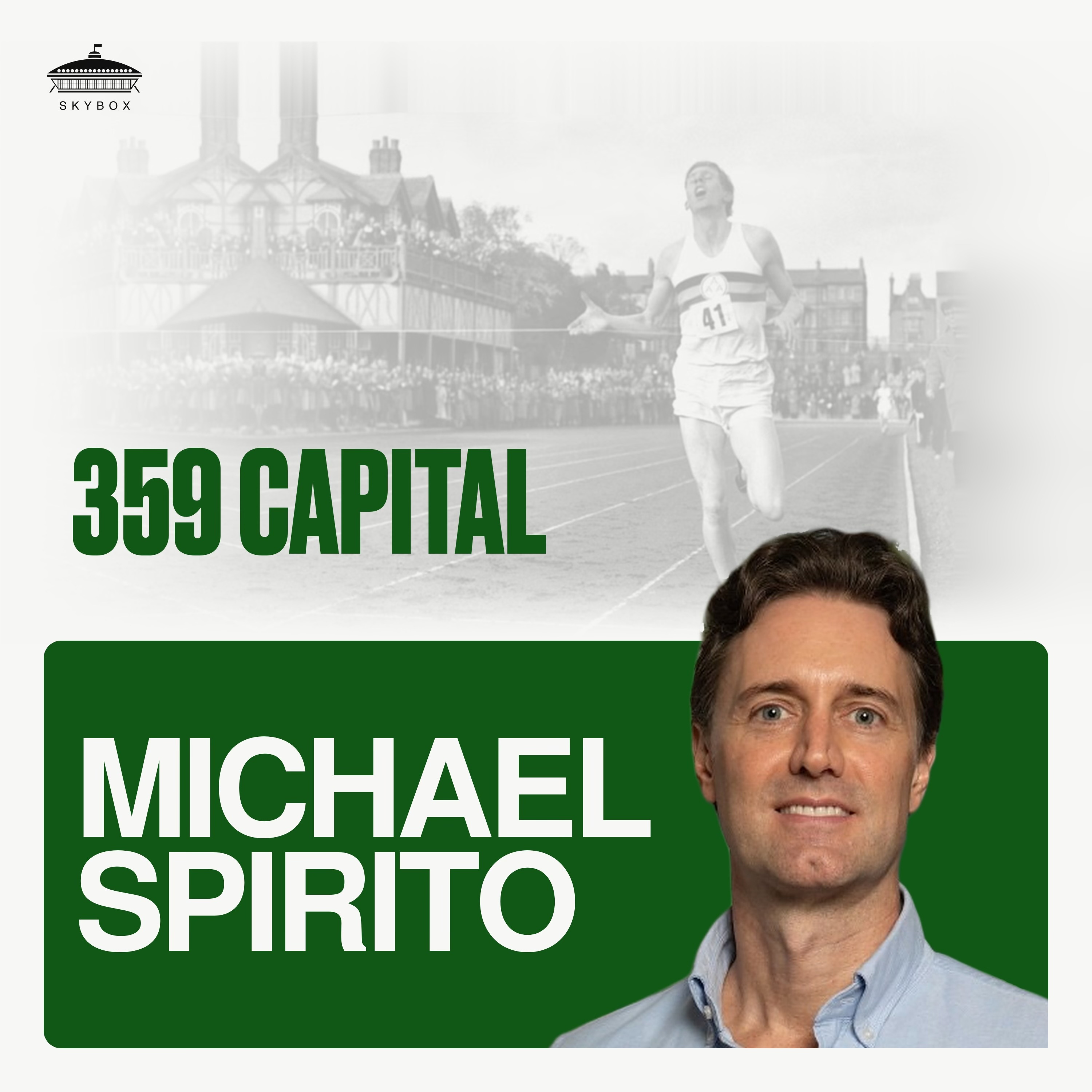 Overtime, Perplexity & Snow League · 359 Capital Managing Partner Michael Spirito | Under The NumberSkybox
BONUS: Check out the latest installment of Clubhouse with Dominyck Bullard, Matthew Jester, and me:
I publish an essay every other Tuesday.
Stay tuned and share this with someone who should be paying attention to where the Sports Economy is headed.
If you’re building, investing, or advising within the Sports Economy — please reach out!
Email: connect@skyboxmedia.com
– Brent


